 My Account
The Thrill of Risk-Taking
The psychology of casino players often revolves around their inherent attraction to risk-taking behaviors. Many individuals are drawn to gambling due to the adrenaline rush associated with placing bets, especially when they explore options like casino online games that offer dynamic experiences. This thrill triggers the release of dopamine, the brain’s feel-good neurotransmitter, creating a profound sense of excitement and euphoria. For some, this sensation can become addictive, making them seek out gambling experiences as a primary source of stimulation in their lives. The appeal of risking money for the chance to win big can be an exhilarating prospect for many players.
Moreover, the risk-reward dynamic plays a significant role in attracting players to casinos. The possibility of winning substantial sums of money can overshadow the potential losses, creating a powerful motivator. This phenomenon is further amplified in environments designed to enhance feelings of excitement, such as vibrant lights, engaging sounds, and the social element of the casino atmosphere. Players often find themselves willing to take substantial risks in the hope of attaining a major win. The thrill is not just in the game itself, but in the entire experience that casinos provide.
However, understanding the thrill of risk-taking also involves recognizing the psychological implications of losses. Players may experience cognitive dissonance when faced with a losing streak, often rationalizing their continued play with the belief that they will eventually recover their losses. This mindset can perpetuate a cycle of risk-taking and emotional investment that reinforces their attachment to gambling, leading them down a path that can be both thrilling and perilous. As the stakes rise, so does the complexity of their emotions and motivations, making it crucial to comprehend these psychological aspects.
The Role of Cognitive Biases
Cognitive biases significantly influence the decision-making processes of casino players. One prevalent bias is the “gambler’s fallacy,” where individuals believe that past outcomes affect future events. For example, a player may think that if a slot machine hasn’t paid out in a while, it is “due” for a win, prompting them to continue playing. This skewed perception of probability can lead to increased betting, even when statistics suggest otherwise. Such biases can distort a player’s understanding of chance, leading to irrational decisions that may compound their losses.
Another common bias among players is the illusion of control, where gamblers believe they can influence the outcome of games that are inherently based on chance. For instance, players might think that their betting strategies or choices of numbers in games like roulette can lead to success. This false sense of mastery can drive players to engage in riskier behaviors, as they ignore the reality that these games are designed to be unpredictable. The belief that skill can outweigh luck can ultimately lead to repeated failures and financial loss.
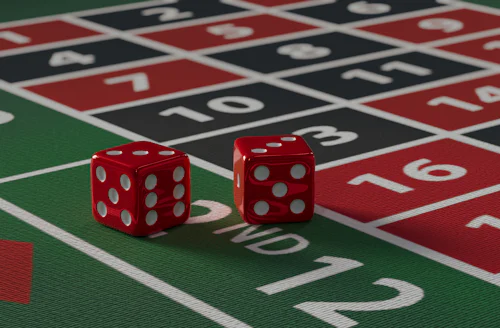
Moreover, confirmation bias also plays a role in how players interpret their gambling experiences. Gamblers often focus on their wins and downplay their losses, reinforcing their belief in their skills or strategies. This selective memory creates an optimistic view of their gambling success, making it challenging for players to recognize the negative consequences of their actions. Such biases contribute to a cycle of gambling behavior that can be difficult to break, as players become trapped in a loop of hope driven by their past successes, no matter how fleeting.
The Social Aspects of Gambling
The social environment of casinos greatly affects the behavior and psychology of players. Many individuals view casinos as social venues where they can interact with others, share experiences, and form connections. This social aspect can enhance the overall excitement of gambling, making players more likely to engage in risky behaviors. The camaraderie developed among players can foster an environment where individuals feel encouraged to take chances and bet larger amounts, often spurred on by the collective enthusiasm of the crowd.
Additionally, group dynamics come into play, as people often become more adventurous in their choices when in the company of others. Peer pressure can influence decision-making, leading individuals to participate in games or make bets they might otherwise avoid if they were alone. This social reinforcement can heighten the thrill and enhance the allure of gambling, making it a communal activity that fosters shared experiences. The atmosphere of excitement can be contagious, drawing individuals deeper into the gaming experience.
However, the social dynamics of gambling can also pose risks. While camaraderie can lead to positive experiences, it can also create a culture of competition and comparison. Players might feel compelled to keep up with others, risking more than they can afford in an attempt to fit in or showcase their gambling prowess. Understanding these social influences is crucial for addressing the psychological aspects that drive certain behaviors in casinos. The balance between social enjoyment and responsible gambling is delicate, and awareness is essential to mitigate potential pitfalls.
Addiction and the Compulsive Gambler
Gambling addiction is a serious concern that highlights the darker side of casino psychology. For some individuals, the initial thrill of gambling can spiral into compulsive behavior that negatively impacts their personal and financial well-being. The line between recreational gambling and addiction can be thin, making it crucial for players to recognize the signs of problem gambling. Symptoms may include preoccupation with gambling, increasing amounts of time spent at casinos, and continued play despite accumulating significant losses, which can lead to a cycle of despair.

The psychological mechanisms behind gambling addiction often mirror those found in other behavioral addictions, such as substance abuse. Individuals may find themselves chasing losses, driven by the desire to recapture what they’ve lost, which creates a cycle of despair and desperation. This compulsive behavior can lead to a range of negative consequences, including strained relationships, financial instability, and emotional distress. The emotional turmoil associated with addiction can be profound and often goes unnoticed until significant damage has occurred.
Interventions for gambling addiction must address both the psychological and social factors involved. Support groups, therapy, and educational resources can help individuals regain control over their gambling behaviors. By confronting the underlying psychological issues and fostering a healthier relationship with gambling, individuals can work toward recovery and mitigate the risks associated with excessive gambling. Creating a supportive environment can make a significant difference in the recovery journey, helping individuals to rebuild their lives and relationships.
Exploring Resources for Gamblers
Understanding the psychology of casino players is essential for those interested in exploring the gambling world, whether for entertainment or academic reasons. Various resources exist to provide insights into gambling behaviors, enabling individuals to navigate their experiences more effectively. These resources often include educational materials, articles, and forums dedicated to discussing the psychological aspects of gambling. This knowledge can empower players, allowing them to make informed decisions about their gambling activities.
Websites focused on responsible gambling often provide tools for self-assessment and strategies for maintaining control over one’s gambling habits. These platforms may include information about recognizing the signs of problematic gambling and promote healthy gaming habits. By educating themselves about the psychological influences at play, players can make informed decisions about their gambling activities. Such proactive measures can help mitigate the potential for addiction and promote a balanced approach to gambling.
Additionally, support networks like Gamblers Anonymous and other counseling services offer invaluable resources for those struggling with gambling addiction. These organizations serve as a safe haven for individuals seeking guidance and understanding, emphasizing the importance of community in the recovery journey. By exploring these resources, individuals can gain a deeper understanding of their behaviors and work toward healthier gambling practices. Establishing connections with others who share similar experiences can be instrumental in fostering resilience and promoting recovery.