 My Account
The Allure of Gambling From a Psychological Perspective
The world of gambling captivates millions, driven by the thrill of excitement, risk, and the possibility of reward. Psychologically, the allure of casino gambling is rooted in thrill-seeking behavior and the desire for immediate gratification. As players engage in games, they often experience a rush of adrenaline, which is chemically linked to dopamine release in the brain, especially in environments where online sports betting canada is popular. This intoxicating sensation fosters a reinforcing cycle; the more one gambles, the more one yearns for that exhilarating feeling, making it increasingly difficult to disengage from the experience.
Furthermore, humans are inherently drawn to uncertainty and chance, a fascination that casinos exploit skillfully. The unpredictable outcomes of games such as slot machines and roulette tap into a fundamental psychological aspect known as “variable reinforcement.” When players achieve occasional wins, it encourages them to continue playing, as they become convinced that previous success can be replicated. This psychological phenomenon is particularly powerful because the brain tends to remember wins more vividly than losses, resulting in distorted perceptions of success in gambling.
The potential for addiction is another significant component of this psychological landscape. For some individuals, the thrill of gambling can transform into a compulsive behavior, blurring the line between enjoyment and dependency. Various psychological factors contribute to gambling addiction, including anxiety, depression, and low self-esteem. These emotional states can lead individuals to seek solace in gambling as a method of escaping their problems, perpetuating a cycle that is challenging to overcome.
The Role of Environment in Shaping Gambling Behavior
The environment in which gambling occurs plays a critical role in influencing how individuals interact with games of chance. Casinos are meticulously designed to maximize sensory stimulation, featuring bright lights, captivating sounds, and an atmosphere that enhances the psychological experience. This carefully curated environment draws players deeper into the gaming experience. The layout of gaming floors often lacks clocks and windows, creating a timeless space that encourages extended play, further reinforcing the psychology behind gambling.
In addition, casinos employ various marketing tactics that exploit cognitive biases to enhance player engagement. For example, the concept of “near misses” in slot machines can create an illusion of proximity to winning, fuelling players’ desire to continue gambling. Promotional strategies such as complimentary drinks and loyalty rewards foster a sense of belonging and exclusivity, making players feel appreciated and inclined to return. These psychological tactics can lead to habitual gambling behavior, as players associate these positive experiences with the act of playing.
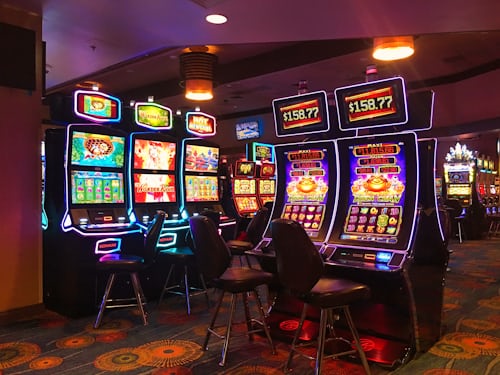
The social aspect of gambling also plays a vital role in shaping behavior. Many individuals enjoy the camaraderie that can arise in a vibrant casino environment. This social dimension amplifies the excitement of gambling, as players share their experiences, victories, and strategies with others. However, it can also lead to competitive behavior, where the urge to outperform friends or peers becomes a driving force behind gambling decisions. This competitive nature often reinforces gambling behaviors, further entrenching individuals in the casino culture.
Cognitive Biases and Their Influence on Gambling Decisions
The psychology of gambling is significantly influenced by cognitive biases that can distort players’ decision-making processes. One prevalent bias is the “illusion of control,” where individuals mistakenly believe they can influence the outcomes of games of chance. This misconception leads players to engage in superstitious behaviors, such as wearing lucky clothing or following specific rituals before playing. These beliefs often stem from a flawed understanding of probability, resulting in players making irrational bets based on their perceived control over the situation.
Another common cognitive bias is the “gambler’s fallacy,” where individuals believe that past outcomes influence future results. For instance, a player may think that because a specific number has not appeared in a while, it is due to come up soon. This misinterpretation of randomness can lead to poor financial decisions as players chase losses, convinced that their next bet will yield success. Understanding these biases is crucial for anyone involved in gambling, as they can create a distorted view of risk versus reward.
To mitigate the negative impacts of these cognitive biases, education plays a crucial role. Informing players about probability and the true nature of gambling outcomes can help develop a more realistic perception of risk. This understanding empowers gamblers to make more rational decisions, potentially reducing instances of problem gambling. Awareness campaigns are essential in promoting responsible gambling behavior and educating players about the psychological traps that can lead to excessive betting.
The Emotion Regulation Aspect of Gambling
Gambling often serves as a coping mechanism for emotional regulation. For many individuals, the experience provides a temporary escape from stressors such as financial difficulties, work pressures, or personal relationships. The thrill and distraction offered by gambling can temporarily alleviate feelings of anxiety or depression. However, this emotional escape can become a double-edged sword, as it frequently leads to increased gambling behavior over time.

Players may initially find solace through gambling, but as they lose control, the emotions tied to these experiences can shift from excitement to frustration or despair. This cyclical pattern may result in gambling becoming a maladaptive strategy for managing negative feelings. Understanding the implications of using gambling for emotional regulation is essential in addressing the potential for problem gambling, encouraging individuals to explore healthier coping mechanisms instead.
Moreover, developing effective emotion regulation skills can help alleviate the psychological burdens associated with gambling. Therapeutic approaches and support systems that promote emotional awareness and enhance coping strategies can assist individuals in recognizing when they are using gambling as a form of escape. By fostering healthier emotional responses, players can break the cycle of reliance on gambling, leading to more balanced lives and reducing the risk of developing gambling-related issues.
Online Resources for Understanding Gambling Psychology
Understanding the psychology of casino gambling is vital for players, operators, and society at large. Numerous online resources are available, providing valuable insights into this intricate topic, including psychological studies, articles, and forums where individuals can share their experiences and strategies. These platforms facilitate discussions about responsible gambling practices and the psychological aspects at play in casinos.
By taking advantage of the wealth of information available online, those interested in gambling can better inform themselves about the risks and rewards associated with this activity. Knowledge empowers individuals to make more informed decisions about their gambling habits and recognize when they may need assistance or intervention. Online communities can also offer support to those grappling with gambling addiction, creating a safe space for discussion and recovery.
Ultimately, understanding the psychology behind gambling transcends the individual player, encompassing societal awareness as well. As more people become educated about the impacts of gambling, it promotes healthier attitudes towards gaming and reduces the stigma associated with seeking help. Educational initiatives and online resources play a crucial role in fostering a more informed and responsible gambling culture for everyone involved.